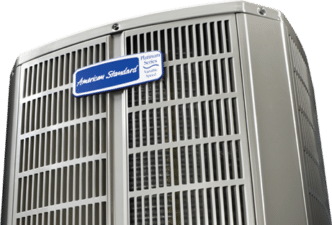
Your AC may still be getting a workout, but fall is a good time to get your heating system ready for the cold season. Around Katy, warm afternoons can make it easy to forget about the furnace or heat pump until a chilly morning arrives. A little preparation now can help you catch problems before you need steady heat.
Start with the basics: check your air filter, clear your vents, test your thermostat, and schedule professional maintenance. Here’s what you can safely handle yourself, what deserves a technician’s attention, and which warning signs should never wait.
Why Prepare Your Heater Before Cold Weather Arrives?
A heating system can sit unused for months while your cooling equipment handles the Texas heat. During that time, filters collect dust, thermostat settings change, and small equipment problems can go unnoticed.
Turning on the heat before you need it gives you time to spot issues without shivering through the troubleshooting. You might discover that one room stays cold, the system makes an unfamiliar noise, or the thermostat calls for heat without much happening.
Maintenance won’t prevent every breakdown. But it can help identify worn components, airflow restrictions, and safety concerns before they become bigger problems. It also gives you a chance to ask questions about your system’s condition rather than making decisions during an unexpected outage.
Getting Your Heating System Ready for the Cold Season: Start With Airflow
Your heater needs a clear path to move air through your home. Before adjusting temperatures or assuming the equipment needs repair, check these simple airflow basics.
Check the Air Filter
A dirty filter can restrict airflow and make it harder for your system to circulate warm air. Check the filter before switching to heating mode, even if you replaced it during the summer.
Follow the equipment manufacturer’s guidance for filter size, type, and replacement schedule. Homes with pets, frequent system use, or ongoing renovation dust may need more frequent checks.
When installing a replacement, make sure the airflow arrow points in the correct direction. Avoid choosing a more restrictive filter simply because it sounds better; the filter needs to be compatible with your equipment.
Clear Supply Vents and Return Grilles
Walk through your home and check that rugs, furniture, curtains, and storage bins aren’t blocking vents. Return grilles need open space, too, because they pull air back toward the system.
Use a vacuum attachment to remove surface dust from accessible grilles. Leave duct interiors and equipment cabinets to a professional.
Closing vents in unused rooms isn’t a reliable shortcut to lower heating costs. It can change airflow in ways your system wasn’t designed to handle.
Notice Rooms That Never Feel Comfortable
If one bedroom stays chilly while the living room gets too warm, don’t immediately raise the thermostat. Uneven temperatures can come from blocked vents, duct leaks, insulation gaps, or equipment issues.
Make a note of which rooms are uncomfortable and when the problem happens. That information can help a technician narrow down the cause.
Test Your Thermostat Before You Need the Heat
Choose a day when you can stay home and observe the system. Switch the thermostat to heating mode and set it a few degrees above the current indoor temperature.
Give the equipment time to respond. Some systems have a built-in delay, and heat pumps may deliver air that feels less hot than air from a gas furnace. That alone doesn’t mean something is wrong.
During the test, pay attention to:
- Whether the system starts and produces heat.
- Whether airflow feels reasonably consistent.
- Whether the system stops after reaching the set temperature.
- Any unusual sounds or persistent odors.
- Any thermostat error messages.
If your thermostat uses batteries, replace them as recommended. Check programmed schedules, too. Last season’s settings may no longer match your household’s routine.
Avoid making repeated, large temperature changes to force the equipment to respond. If the system isn’t heating properly, schedule service rather than continuing to restart it.
Know Which Type of Heating System You Have
Preparation looks a little different depending on your equipment. Knowing whether you have a gas furnace, electric heating equipment, or a heat pump makes it easier to describe a problem and understand maintenance recommendations.
Gas Furnaces
Gas furnaces need professional attention to combustion, venting, ignition, and safety controls. These are not do-it-yourself inspection or repair tasks.
Keep the area around the furnace free of stored items, especially combustible materials. Never block combustion-air openings or exhaust vents.
If you smell gas, leave the building immediately. Don’t operate switches, use a phone inside, or try to locate the leak. From a safe location, contact your gas utility’s emergency line or 911.
Electric Heating Equipment
Electric heating systems also need clear airflow and functioning controls. Heating elements, electrical connections, and protective devices should be checked by a qualified professional.
Don’t remove equipment panels or attempt electrical repairs. If you notice smoke, sparking, or a persistent electrical burning smell, stop using the system and seek professional help. For smoke or fire, leave the home and call 911.
Heat Pumps
A heat pump handles both cooling and heating, so the outdoor unit still matters during cold weather. Keep leaves and other loose debris away from it, and follow the manufacturer’s clearance requirements.
Some frost and periodic defrost operation can be normal. Heavy ice that remains on the equipment, however, deserves professional attention. Don’t chip ice off the coils or pour hot water over the unit.
Learn more about heat pumps if you’re unsure how yours should operate in colder weather.
Schedule a Professional Heating Maintenance Visit
Homeowner checks are helpful, but they don’t replace a professional inspection. A technician can evaluate parts of the system that aren’t visible or safe to access yourself.
Depending on the equipment, a heating maintenance visit may include checking electrical components, controls, airflow, and overall operation. For fuel-burning equipment, combustion and venting checks are especially important. Exact maintenance tasks should match the system type and manufacturer’s recommendations.
When requesting service, mention any concerns you noticed during your test run. “The back bedroom stays cold” or “the furnace starts and stops every few minutes” is more useful than simply saying the heater seems off.
Air Tech of Katy has been in business since 1983 and offers heating services for local homeowners. Explore heating maintenance and request service before cold weather makes your heater a daily necessity.
Check Smoke and Carbon Monoxide Alarms
Heating preparation should include a check of your home’s safety alarms.
Test smoke and carbon monoxide alarms according to their manufacturers’ instructions. Check battery requirements and replacement dates, and make sure alarm placement follows local requirements and manufacturer guidance.
Carbon monoxide is an odorless, colorless gas. You cannot rely on a smell to warn you that it’s present. Fuel-burning equipment requires proper venting and maintenance, and carbon monoxide alarms provide an important additional layer of protection.
If a carbon monoxide alarm sounds, move everyone outside to fresh air and call 911. Don’t re-enter until emergency responders say it’s safe.
Never use an oven, grill, or outdoor heater to warm your home. Portable generators must remain outdoors, well away from doors, windows, and vents.
Reduce Drafts Without Blocking Needed Ventilation
Your heating system isn’t the only factor in winter comfort. Air leaks around exterior doors and windows can make rooms feel colder and encourage you to keep raising the thermostat.
Check for worn weatherstripping and obvious gaps around doors. Use appropriate materials to address accessible leaks, or ask a qualified professional about larger insulation and sealing projects.
Be careful not to block ventilation openings, combustion-air pathways, or equipment exhausts. Those openings have a purpose.
If you use a portable space heater, follow its instructions, keep it at least three feet from combustible materials, and plug it directly into a suitable wall outlet. Turn it off before sleeping or leaving the room.
Don’t Ignore These Heating Warning Signs
Some problems need more than a filter change or thermostat adjustment. Arrange service if you notice:
- Little or no heat after the system has had time to run.
- Repeated short cycles.
- New banging, grinding, or squealing sounds.
- Persistent burning odors.
- A breaker that trips repeatedly.
- Heavy ice buildup on a heat pump.
- A sudden change in comfort or energy use without an obvious explanation.
A brief dusty smell can occur when heating equipment first runs after a long break, but don’t assume every odor is harmless. A strong, persistent, smoky, electrical, or gas-like smell requires prompt attention.
Never bypass a safety switch or repeatedly reset a tripping breaker. If your equipment needs diagnosis, Air Tech of Katy offers heating repair services.
Get Ready Before the First Cold Morning
You don’t need to become an HVAC expert to prepare for heating season. Check the filter, clear the vents, test the thermostat, and pay attention to how your system behaves. Then let a professional handle the inspections and repairs that require training.
Ready to have your heater checked? Submit a service request to Air Tech of Katy with your contact information and a description of your heating concerns. The team can follow up to discuss scheduling.
Prefer to talk through the problem first? Call (281) 201-0545.

Why Choose Air Tech of Katy?
Katy’s Reliable Heating, Cooling, Plumbing and Electrical Company

Peace Of Mind Guarantee

30% Utility Savings Guarantee