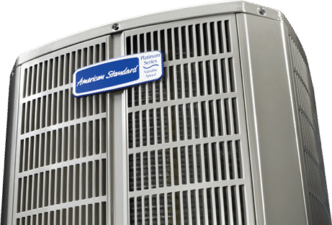
A cold front can change your plans quickly: the thermostat switches from cooling to heating, outdoor faucets need attention, and a small comfort problem suddenly matters more. For Katy homeowners, preparation starts with two separate questions: is the heater ready to run, and does the forecast call for freezing temperatures?
A cool evening does not require the same response as a prolonged freeze. Check the current local forecast and utility notices for your address, then use this checklist to organize the work you can safely do before temperatures fall.
For Katy households, a passing cold front can mean switching from air conditioning to heat within the same day. A cold front arrives when colder air displaces warmer air; rain and a wind shift can accompany the change. If your heater has been idle for months, test it before the evening cools down rather than waiting until the house feels uncomfortable. Watch both the overnight low and the rain forecast when planning your preparation.
Check the basics before the first heating cycle
Start with the thermostat. Select Heat, check the programmed schedule, and set the target a few degrees above the room temperature. Replace batteries if your model uses them and indicates they are low. A fan set to On can circulate room-temperature air between heating cycles, so check your equipment instructions before assuming cool airflow means a breakdown.
Inspect the air filter and replace a dirty disposable filter with the size and type recommended for your system. Follow its airflow arrow and never operate the equipment without a filter. Move furniture and rugs away from supply registers and return grilles so air can circulate.
Keep boxes, laundry, and other stored materials away from heating equipment. Leave service panels, electrical connections, burners, and gas valves to a qualified technician. If you cannot safely reach a filter or identify the correct replacement, ask for help instead of improvising.
Run the heat while you can watch its performance
Choose a time when someone is home and awake. Give the system time to respond, then check whether the room temperature rises. Walk through several rooms and note weak airflow, unusual sounds, or a room that stays much colder than the others.
Useful details to record include:
- Whether the system starts at all after a call for heat.
- Whether it stops after a short run or cycles repeatedly.
- Whether the thermostat shows a warning or error.
- Which rooms remain uncomfortable and whether the problem is new.
These observations help during a heating service visit. A dirty filter, obstructed airflow, thermostat problem, duct leakage, or equipment fault can produce overlapping symptoms. Turning the setting much higher does not fix the cause. Do not repeatedly reset a tripped breaker or bypass a safety control.
Know when to stop troubleshooting
A brief dusty odor can occur at seasonal startup, but a strong or persistent burning smell, smoke, or an electrical odor needs attention. If you smell gas or a carbon monoxide alarm sounds, leave the home immediately and call 911 or the gas utility from outside. Do not operate switches or search for the source.
Test smoke and carbon monoxide alarms according to their instructions and check replacement dates. The CPSC recommends professional inspection and service of heating equipment. Alarms add protection but do not replace maintenance. Never use a kitchen oven or outdoor grill to heat your home.
If freezing weather is expected, check exposed plumbing
Before dark, disconnect and drain garden hoses, fit suitable outdoor faucet covers, and insulate accessible exposed water lines. Pay particular attention to unheated garages, crawl spaces, and plumbing near exterior walls. Locate the main water shutoff and keep the route to it clear.
During freezing conditions, maintain consistent indoor heat. Open cabinets around vulnerable indoor pipes to allow room air to circulate, moving cleaners away from children and pets. Follow local utility instructions about dripping faucets and water-use restrictions. The American Red Cross frozen-pipe guide provides more preparation tips. Insulation reduces exposure but cannot guarantee that a pipe will not freeze.
Check again after the coldest weather passes
A faucet that produces little or no water during a freeze may have a frozen supply line, although other problems can also reduce flow. Never use a torch or open flame to thaw a pipe. If you find a burst pipe, shut off the water if you can do so safely and request emergency plumbing service. Keep away from standing water near electrical equipment.
Leaks can become more obvious as pipes thaw. Check accessible cabinets, exposed piping, and outdoor faucets for drips or dampness. Unexpected running-water sounds or wet areas deserve investigation; water leak services can help locate a suspected problem.
Include drainage in your Katy cold-front plan
Buffalo Bayou is part of the Katy area’s drainage landscape: Fort Bend County tracks a Buffalo Bayou gauge near Katy. Your property’s watershed and flood exposure depend on its location, so check local flood information for your address rather than assuming every Katy neighborhood faces the same conditions.
If rain is forecast with a front, check gutters and downspouts before the weather arrives and arrange safe cleaning where needed. Keep drainage paths clear and direct downspouts away from the foundation. Separately, recurring slow drains, backups, or visible pipe leaks are reasons to schedule plumbing service. Fixing a household plumbing problem does not prevent bayou or street flooding, but it helps you avoid dealing with an existing leak or blockage during bad weather.
Katy cold-weather questions
Does my Katy home need a heater check before the first cold front?
A thermostat, filter, and airflow check is a useful starting point. If maintenance is due, the heater struggled last season, or you notice unusual noise, odors, or poor heating, arrange a professional inspection before relying on it overnight. A short test run cannot reveal every equipment problem.
Are slab leaks more common after a wet winter in Katy?
A wet winter alone is not enough to conclude that slab leaks are more common or that your home has one. Rainwater intrusion and a leaking pipe beneath a slab need different repairs. If you notice unexplained water use, damp flooring, or the sound of running water when fixtures are off, request slab leak evaluation instead of assuming the weather explains it.
What should I do if my heat pump is running but the house isn’t warming?
Confirm Heat mode, the temperature setting, and the schedule. Check the filter and make sure vents are unobstructed. Pay attention to whether the room temperature rises, not just how warm the air feels at a register. If the home keeps cooling or the system cannot reach its setting, arrange heat pump service. Leave electrical work and refrigerant checks to a technician.
Make a plan before the next cold front
Keep your equipment information, thermostat observations, and shutoff location handy. If the heater has been unreliable, arrange service before depending on it overnight. If the same pipe has frozen before, discuss a more lasting solution with a plumber.
Air Tech of Katy can help with heating and plumbing concerns before colder weather puts them to the test. Request service and describe what you are noticing so the team can help you plan the next step.

Why Choose Air Tech of Katy?
Katy’s Reliable Heating, Cooling, Plumbing and Electrical Company

Peace Of Mind Guarantee

30% Utility Savings Guarantee